


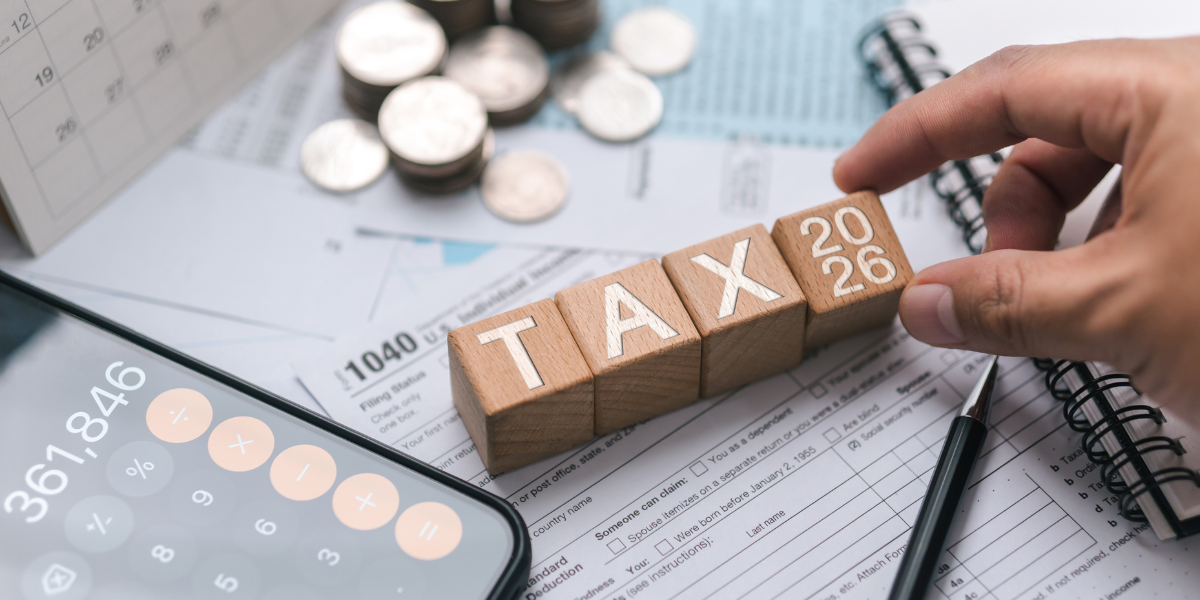
tax preparer certification (1)

Tax Preparer Certification: Steps to Get Certified Online

Becoming a certified tax preparer is a smart career move for anyone interested in finance, compliance, or building a profitable accounting business. With tax laws constantly changing and businesses seeking expert guidance, certified tax professionals are in high demand. The good news is that earning a tax preparer certification online has never been more accessible or flexible.

This guide walks you through what tax preparer certification is, why it matters, and the exact steps to get certified online whether you want to work independently, support an accounting firm, or expand services for small businesses.
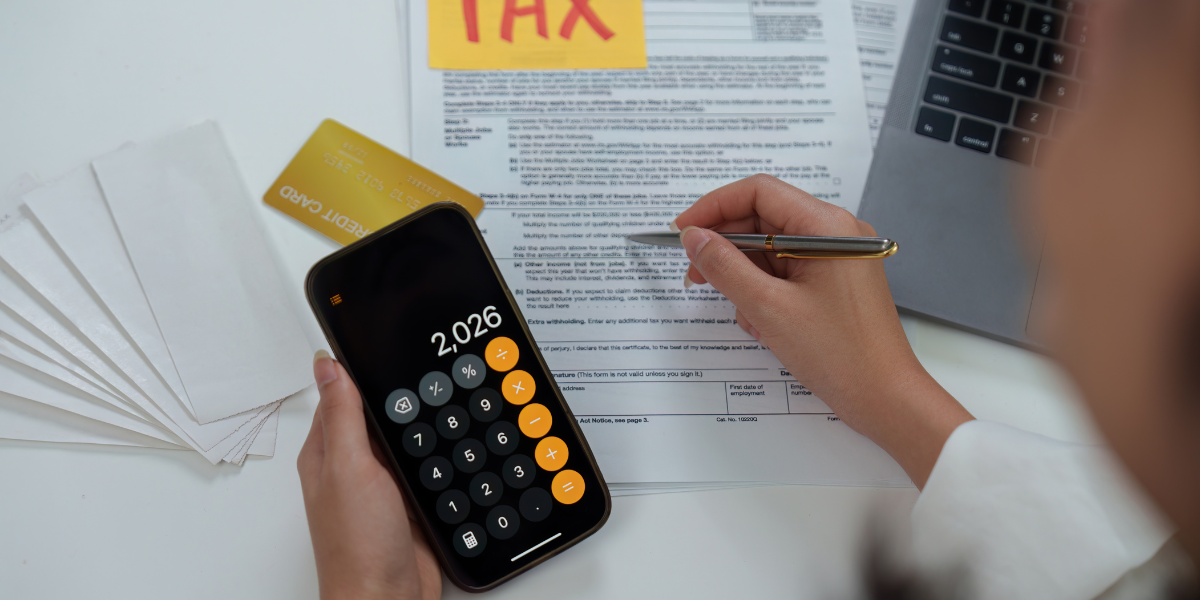
tax preparer certification

What Is Tax Preparer Certification?

Tax preparer certification is a professional credential that validates your knowledge of tax laws, filing procedures, deductions, and compliance requirements. Certification demonstrates credibility, accuracy, and professionalism qualities clients and employers actively look for.

While requirements may vary by country or region, certified tax preparers typically understand:

  • Individual and business tax returns
  • Federal and state tax regulations
  • Credits, deductions, and exemptions
  • Ethics and compliance standards

For professionals planning to grow an accounting business, certification also builds trust and positions you as an authority in tax services.

Why Tax Preparer Certification Matters

Earning a tax preparer certification offers several long-term benefits:

1. Increased Career Opportunities

Certified professionals can work with accounting firms, tax agencies, or operate independently. Many employers prefer or require certification due to compliance and accuracy standards.

2. Higher Income Potential

Certified tax preparers often charge higher fees because clients value expertise and reduced risk of errors or audits.

3. Client Trust and Credibility

Certification reassures clients that their finances are handled by a trained professional who understands tax laws and ethical responsibilities.

4. Foundation for Business Growth

If you plan to start or expand an accounting business, certification adds legitimacy and helps you attract both individual and business clients.

Steps to Get Tax Preparer Certification Online

Step 1: Understand Eligibility Requirements

Before enrolling, review eligibility criteria such as education level, age, or background requirements. Some programs are beginner-friendly, while others are designed for accounting professionals.

Step 2: Choose an Accredited Online Program

Selecting the right program is critical. Look for an online course that offers:

  • Comprehensive tax law coverage
  • Practical tax preparation training
  • Self-paced learning
  • Certification upon completion

Programs offered through reputable institutions like Universal Accounting School provide structured learning designed for real-world application without requiring in-person classes.

Step 3: Complete the Required Coursework

Online certification courses typically cover:

  • Individual and business tax returns
  • Filing procedures and deadlines
  • Tax forms and documentation
  • Ethics and compliance
  • Technology tools used in tax preparation

Many programs include case studies and simulations to prepare you for real client scenarios.

Step 4: Pass the Certification Exam

After completing coursework, you’ll need to pass an exam that tests your knowledge and practical skills. Online exams are often proctored or timed to maintain credibility.

Step 5: Register or License (If Required)

Depending on your location, you may need to register with a tax authority or obtain a preparer identification number before serving clients professionally.

Step 6: Maintain Your Certification

Tax laws change regularly, so continuing education is essential. Ongoing learning ensures compliance and helps you stay competitive in the tax industry.

How Certification Supports an Accounting Business

A tax preparer certification is more than a credential it’s a growth tool for professionals running or planning an accounting business.

Certified tax preparers can:

  • Offer expanded tax services
  • Retain clients year after year
  • Reduce errors and compliance risks
  • Increase client referrals through credibility

By pairing certification with reliable small business tax software, professionals can streamline workflows, improve accuracy, and manage multiple client accounts efficiently.

Technology and Tools for Certified Tax Preparers

Modern tax preparation relies heavily on technology. Certified professionals who leverage small business tax software can:

  • Automate calculations and filings
  • Ensure compliance with updated tax codes
  • Secure sensitive financial data
  • Save time during peak tax season

Using professional software alongside certification allows tax preparers to scale services while maintaining accuracy and efficiency.

Is Online Tax Preparer Certification Worth It?

Absolutely. Online certification offers flexibility, affordability, and accessibility especially for working professionals or entrepreneurs. You can learn at your own pace, gain industry-recognized credentials, and apply your skills immediately.

For those seeking career stability, professional growth, or a profitable accounting business, tax preparer certification is a practical and rewarding investment.

Conclusion

Earning a tax preparer certification online is a clear pathway to a successful career in tax preparation and accounting services. From improved credibility and income potential to business growth opportunities, certification equips you with the skills and confidence needed to succeed in a competitive financial landscape.

By choosing the right online program, completing structured training, and using modern tools like small business tax software, you can build a reliable, compliant, and scalable tax preparation practice whether you work independently or as part of an accounting business.

FAQs

1. How long does it take to complete tax preparer certification online?

Most online programs can be completed in a few weeks to a few months, depending on course length and your study pace.

2. Do I need prior accounting experience for tax preparer certification?

No, many programs are designed for beginners and provide step-by-step training in tax preparation fundamentals.

3. Can I start an accounting business after certification?

Yes. Tax preparer certification provides the foundation needed to offer professional tax services and grow an accounting business.

4. Is online tax preparer certification recognized?

Yes, as long as the program is offered by a reputable and accredited institution.

5. Do certified tax preparers need continuing education?

Yes. Ongoing education helps you stay current with tax law changes and maintain professional compliance.
Tax Preparer Certification (1)

Tax Preparer Certification vs. Enrolled Agent: What’s the Difference?

When it comes to the world of taxes, it’s essential to have the right professional by your side. Whether you’re an individual filing your taxes or a business looking for expert advice, the qualifications of the tax professional you hire can make a big difference. Two common titles you may encounter in the tax preparation industry are “Tax Preparer” and “Enrolled Agent.” While both professionals help you with taxes, they differ in terms of training, authority, and the services they can provide. Understanding these differences is crucial when choosing who will handle your tax needs.

In this blog, we’ll explore the difference between Tax Preparer Certification and becoming an Enrolled Agent (EA), as well as which option may be right for you.

Tax Preparer Certification

What is Tax Preparer Certification?

A Tax Preparer Certification is a designation earned by professionals who want to legally assist individuals and businesses with their tax returns. While it isn’t as comprehensive as an Enrolled Agent certification, it allows professionals to prepare taxes for a wide range of clients.

To become a certified tax preparer, individuals typically need to complete a training program that covers tax laws, filing procedures, and common forms like 1040s, W-2s, and 1099s. Tax preparers may need to take continuing education courses annually to keep their certification active, ensuring they stay updated with changes in tax laws. Some states also require tax preparers to register or obtain a state-issued license to practice.

While the certification process for tax preparers can vary from state to state, it is generally more accessible and faster to obtain compared to the Enrolled Agent designation. As a result, it is a popular choice for those who are interested in tax preparation as a career but do not want to spend as much time or resources as an Enrolled Agent requires.

Key Responsibilities of a Certified Tax Preparer:

  • Tax Filing: Helping clients complete their tax returns accurately.
  • Tax Advice: Offering general tax advice based on clients’ financial situations.
  • Identifying Tax Deductions and Credits: Understanding common deductions and credits available to clients.
  • Preparation of Basic Tax Forms: Including individual tax returns, small business taxes, and other common filings.

Certified tax preparers are typically limited in the scope of services they can offer. They cannot represent clients in front of the IRS or provide complex tax advice, especially on issues like audits or tax disputes.

What is an Enrolled Agent (EA)?

An Enrolled Agent is a tax professional who has earned the highest level of certification from the IRS. EAs have passed a comprehensive exam covering all aspects of taxation or have acquired equivalent experience through working for the IRS. Unlike certified tax preparers, Enrolled Agents have the legal authority to represent clients in front of the IRS, even in cases of audits, collections, or appeals.

Becoming an Enrolled Agent requires a deeper level of expertise and commitment to ongoing education. The Enrolled Agent exam also known as the Special Enrollment Examination (SEE) covers a broad range of tax topics, including individual tax, business tax, and ethical considerations in tax practice. An EA must also complete a certain number of hours of continuing education every three years to maintain their license.

Enrolled Agents are authorized to handle more complicated tax issues that may arise. Whether it’s a tax audit or resolving disputes with the IRS, EAs are fully qualified to represent taxpayers and provide expert advice.

Key Responsibilities of an Enrolled Agent:

  • IRS Representation: Enrolled Agents can represent clients before the IRS for audits, collections, and appeals.
  • Comprehensive Tax Advice: EAs can offer detailed tax planning and advice for individuals and businesses.
  • Complex Tax Return Filing: EAs are qualified to prepare complex tax returns for individuals, corporations, and partnerships.
  • Tax Dispute Resolution: EAs can assist in resolving tax disputes, working directly with the IRS to come to a resolution.

Enrolled Agents are often considered experts in tax law and are recognized as the highest level of tax professional.

Key Differences Between Tax Preparer Certification and Enrolled Agent (EA)

  1. Training and Qualifications:
    • Tax Preparer Certification: Tax preparers are required to complete a training program and sometimes meet state-specific licensing requirements. The training focuses on basic tax preparation and common filing processes.
    • Enrolled Agent (EA): Becoming an EA requires passing a challenging exam or gaining experience with the IRS. The knowledge gained is much broader, covering all tax-related issues.
  2. Scope of Services:
    • Tax Preparer Certification: Tax preparers can file basic tax returns and offer general advice, but they cannot represent clients before the IRS or handle complex tax issues.
    • Enrolled Agent (EA): EAs can represent clients before the IRS, offer in-depth tax planning and advice, and resolve tax disputes.
  3. Continuing Education Requirements:
    • Tax Preparer Certification: While ongoing education may be required, it’s typically less stringent than the requirements for EAs.
    • Enrolled Agent (EA): EAs are required to complete 72 hours of continuing education every three years to maintain their designation.
  4. IRS Representation:
    • Tax Preparer Certification: Tax preparers are not authorized to represent clients before the IRS.
    • Enrolled Agent (EA): Enrolled Agents have unlimited practice rights, meaning they can represent clients before the IRS in all matters, including audits, collections, and appeals.

Which is Right for You?

If you’re a taxpayer seeking basic tax preparation services and filing assistance, a certified tax preparer may be all you need. They are affordable, quick, and able to handle the filing of straightforward tax returns.

However, if you’re facing more complex tax situations like dealing with IRS audits, complicated filings, or ongoing tax disputes an Enrolled Agent is the better choice. Their expertise and ability to represent you before the IRS make them ideal for those who need advanced tax advice and solutions.

For tax professionals, becoming a Certified Tax Preparer is a great starting point, but if you want to offer more in-depth services and elevate your career, earning the Enrolled Agent designation is worth considering.

Conclusion

Understanding the difference between Tax Preparer Certification and becoming an Enrolled Agent is important for anyone seeking tax help. Both roles have their strengths, but the level of expertise and services provided by an Enrolled Agent is unparalleled. Whether you’re seeking tax assistance or planning your career in the tax industry, it’s crucial to choose the right professional for your needs.If you’re looking to start a career in tax preparation, Universal Accounting School offers comprehensive training programs that can guide you to earning your Tax Preparer Certification or Enrolled Agent credentials. Visit Universal Accounting School to explore the different certification programs and get started on your path to becoming a tax expert!

best tax preparer (1)

Key Qualities to Look for in the Best Tax Preparer

When tax season rolls around, finding the best tax preparer becomes a top priority for individuals and small business owners alike. A skilled professional can help you save money, avoid costly mistakes, and ensure compliance with ever-changing tax laws. But not all tax preparers are created equal. Choosing the right one requires understanding the qualities that set a great preparer apart from the rest.

Whether you’re seeking expert guidance for your personal taxes or managing complex business filings, here are the key qualities to look for when selecting the best tax preparer to handle your financial matters.

1. Proper Credentials and Tax Preparer Certification

One of the first things to check is whether your tax preparer has the appropriate tax preparer certification. Certified professionals have undergone formal training and passed examinations that validate their knowledge of tax codes, ethics, and filing procedures.

Look for credentials such as:

  • Enrolled Agent (EA) – Licensed by the IRS to represent taxpayers.
  • Certified Public Accountant (CPA) – State-licensed professionals who offer a broad range of accounting and tax services.
  • Accredited Tax Preparer (ATP) or Accredited Business Accountant (ABA) – Recognized by national organizations that ensure professional competency.

These certifications demonstrate a commitment to professionalism and continuing education – ensuring your preparer stays up to date with the latest tax laws. When searching for the best tax preparer, always verify their credentials and check for any disciplinary actions or complaints.

2. Strong Educational Background and Training

A great tax preparer doesn’t just rely on experience – they also invest in continuous learning. Professionals who have completed formal tax preparation classes are better equipped to handle complex scenarios, from self-employment income to corporate deductions.

Courses in accounting, bookkeeping, and tax law help preparers stay sharp and ensure accuracy in every filing. When you meet with a tax preparer, don’t hesitate to ask about their educational background and the types of training they’ve completed.

Those who invest in learning are more likely to identify legitimate deductions, avoid errors, and optimize your return.

3. Attention to Detail

Tax preparation is a precise process. A single oversight – such as an incorrect Social Security number, missed deduction, or math error – can lead to IRS delays, audits, or penalties.

The best tax preparer pays meticulous attention to every detail. They double-check documentation, cross-reference figures, and review every form before submission. They also take the time to explain their process to you, ensuring that all information is complete and accurate.

When evaluating a tax preparer, pay attention to their communication habits. Do they ask thorough questions? Do they clarify unclear information before filing? These are indicators of a professional who values accuracy and compliance.

best tax preparer

4. Strong Ethical Standards and Integrity

Trust is crucial in any financial relationship. You’re sharing sensitive personal and business information, so you need someone who upholds strict confidentiality and integrity.

The best tax preparer will never promise unrealistic refunds or encourage questionable deductions. Instead, they’ll prioritize accuracy, legality, and your long-term financial well-being.

Always ask whether your preparer follows professional ethics guidelines and maintains compliance with IRS regulations. Those with recognized tax preparer certification are bound by a code of conduct that protects clients and promotes transparency.

5. Excellent Communication Skills

Taxes can be complicated, and you want someone who can break things down in plain language. A great preparer doesn’t just complete your forms – they help you understand your financial picture.

The best tax preparer will clearly explain:

  • Which deductions and credits apply to you.
  • How to organize your records for future filings.
  • Why certain decisions impact your refund or liability.

Good communication also means responsiveness. Whether you have questions during filing season or months later, a reliable preparer will be available to offer guidance and support.

6. Experience with Your Specific Tax Situation

Every taxpayer is different. Freelancers, small business owners, investors, and retirees each face unique challenges. Experience with your particular situation is a major advantage.

If you’re a small business owner, look for a preparer familiar with business deductions, payroll, and quarterly tax estimates. If you invest in real estate or stocks, choose someone experienced with capital gains and losses.

Many professionals who’ve completed advanced tax preparation classes specialize in niche areas, allowing them to provide tailored advice. The more relevant their experience, the better they can optimize your return.

7. Proven Track Record and Client References

Reputation speaks volumes. The best tax preparer will have satisfied clients who can vouch for their professionalism and results. Look for reviews, testimonials, or referrals from trusted friends or colleagues.

You can also check online ratings or verify credentials through the IRS directory of credentialed tax preparers. A strong track record of accuracy, timely filing, and ethical conduct indicates you’re dealing with a trustworthy professional.

8. Commitment to Technology and Efficiency

Today’s tax preparation process relies heavily on technology. The best tax preparer uses secure, modern software to file electronically, track refunds, and store documents safely.

They should also use digital platforms to communicate, share files securely, and provide you with digital copies of your tax returns. A tech-savvy preparer not only increases efficiency but also reduces the risk of data breaches or lost paperwork.

9. Ongoing Support and Year-Round Service

Taxes don’t end on April 15th. You may need advice on estimated payments, business planning, or future deductions throughout the year.

A reliable tax preparer offers ongoing support – answering questions, helping you plan for the next tax season, and guiding you through life or business changes.

When choosing your preparer, ask if they provide year-round services or only operate seasonally. Long-term partnerships yield better financial outcomes and peace of mind.

Conclusion

Finding the best tax preparer is about more than price or convenience – it’s about choosing a trusted professional who combines education, certification, ethics, and experience. A well-qualified preparer ensures accuracy, maximizes your refund, and protects you from compliance issues.If you’re interested in developing these skills yourself, institutions like Universal Accounting School offer comprehensive tax preparation classes and programs that lead to recognized tax preparer certification. With the right training and guidance, you can not only choose the best preparer – you can become one.

tax preparer certification course

How a Tax Preparer Certification Course Changed My Career Path

In 2025, I found myself at a crossroads. I had a stable job in administration, but I felt stuck; monotony had set in, and I longed for a career that challenged me intellectually and offered tangible growth opportunities. That’s when I discovered the idea of becoming a tax preparer. At first, it seemed intimidating, but after researching further, I realized that a tax preparer certification course could be the key to transforming my professional life.

Stepping Out of Comfort Zones

Before enrolling, I had no formal background in accounting or finance. My work experience had been mostly administrative, with occasional exposure to basic bookkeeping tasks. The thought of diving into tax laws, deductions, credits, and filing requirements felt overwhelming. Yet, the flexibility of online certification courses made it possible to explore this field without immediately quitting my job or disrupting my life.

The course offered a structured path to learning. It started with the basics of understanding tax forms, terminology, and federal and state regulations. From there, it gradually moved into more advanced topics, such as complex deductions, credits, and tax scenarios for individuals and small businesses. What struck me most was the focus on real-world application. I wasn’t just memorizing rules; I was learning how to solve actual tax problems, a skill I could immediately apply.

Learning Through Practice

One of the biggest advantages of a tax preparer certification course is its practical approach. The course included simulations and case studies that mimicked real tax situations. This hands-on learning gave me confidence. I practiced preparing returns, double-checking calculations, and identifying potential errors all in a risk-free environment.

Another critical element was ethical training. As tax preparers, accuracy and integrity are paramount. The course emphasized professional conduct, the importance of protecting client information, and adherence to IRS standards. These lessons not only prepared me for the certification exam but also instilled a sense of responsibility that I carry into my work every day.

Opening New Doors

Completing the certification was a turning point. I earned my Preparer Tax Identification Number (PTIN) and was ready to offer services professionally. Starting was intimidating, but the course had prepared me to handle clients’ questions and confidently manage filings. I began with friends and family, gradually expanding to neighbors and local businesses. Referrals became a powerful tool, and I quickly realized that my work had tangible impact. Helping clients get accurate refunds and navigate the complexities of taxes was deeply rewarding.

Financially, the change was immediate. The income potential as a certified tax preparer exceeded my previous earnings, and the flexible hours allowed me to work around my personal commitments. Suddenly, I had a career that provided both financial stability and personal satisfaction.

tax preparer certification course (1)

Career Growth Beyond the Basics

Completing a tax preparer certification course is just the beginning. With experience, additional certifications or programs can further enhance your credentials. Many preparers go on to specialize in small business taxation, estate planning, or even offer bookkeeping and financial advisory services. The foundational knowledge from the course allows for professional diversification and long-term growth in the financial field.

Personally, the certification gave me confidence beyond taxes. I gained problem-solving skills, attention to detail, and a client-focused mindset that are valuable in any profession. I discovered a new level of professionalism and self-assurance that extended into other areas of my life.

The Personal Impact

Beyond finances and career opportunities, the greatest change was personal. The sense of purpose and accomplishment that comes from mastering a new skill and helping others is profound. Each tax season, I am reminded that my work directly benefits people whether it’s helping a young couple claim their first refund or assisting a small business owner with complex deductions. This human impact keeps me motivated and passionate about my work.

Additionally, the flexibility of being a tax preparer has positively affected my work-life balance. I can manage my schedule, take on the clients I feel best suited for, and have time for personal pursuits. This balance was something I struggled to achieve in my previous administrative roles.

Advice for Aspiring Tax Preparers

If you’re considering a career change or seeking a way to enhance your professional skills, a tax preparer certification course is an excellent starting point. The field requires dedication, accuracy, and continuous learning, but the rewards both financial and personal are significant.

When choosing a course, consider the following:

  • Accreditation and credibility: Ensure the program is recognized and prepares you for certification.
  • Practical training: Hands-on exercises, case studies, and simulations are crucial for gaining confidence.
  • Support and resources: Look for courses that offer guidance during and after completion, including exam preparation and career advice.
  • Flexibility: If you’re balancing work or personal commitments, online options can provide the necessary flexibility without compromising the quality of education.

Conclusion

Enrolling in a tax preparer certification course at Universal Accounting School transformed my career path in ways I could not have imagined. It provided the knowledge, skills, and confidence to transition from a stagnant administrative role into a profession that is intellectually stimulating, financially rewarding, and personally fulfilling. For anyone seeking a career change or looking to expand their professional opportunities, becoming a certified tax preparer offers a structured, practical, and rewarding path. The combination of skill development, client impact, and career growth makes it a truly life-changing decision. Taking that first step into a tax preparer certification course was daunting, but it has opened doors I never knew existed. Today, I not only have a career I am proud of, but I also have a future filled with opportunities for growth, learning, and meaningful work.

tax preparer certification

Top Mistakes to Avoid When Applying for Tax Preparer Certification

Getting your tax preparer certification is an essential step towards launching a successful career in tax preparation. Whether you’re just starting out or looking to enhance your credentials, avoiding common pitfalls can save you time, money, and frustration. In this blog, we’ll explore the top mistakes to avoid when applying for tax preparer certification to help you stay on track.

Why Tax Preparer Certification Matters

Before diving into the mistakes, it’s important to understand why tax preparer certification is valuable. Certification not only validates your knowledge but also builds client trust. It allows you to legally prepare tax returns, represent clients, and often increases your earning potential.

Many professionals combine certification with learning the best tax preparation software for professionals, which streamlines tax filing and reduces errors.

tax preparer certification (1)

Mistake 1: Skipping Research on Tax Preparer Courses

One of the biggest errors is jumping into a tax preparer course without researching. Not all courses meet state or IRS standards. Some lack depth, while others might not offer practical training in tax software.

Always look for a comprehensive tax preparer course near me or online that includes both theoretical knowledge and hands-on practice, especially in the tax preparation software for professionals you’ll be using daily.

Mistake 2: Ignoring the Importance of Practical Software Training

Tax preparation is increasingly digital. Ignoring the importance of mastering tax preparation software for professionals can be a costly mistake.

Make sure your tax preparer certification program incorporates training on popular software tools. This will not only boost your confidence but also improve efficiency and accuracy in filing taxes.

Mistake 3: Not Understanding the Certification Requirements

Every state or certifying body may have different requirements for tax preparer certification. Some require passing an exam, others mandate a certain number of course hours, and some need ongoing education.

Failing to understand these requirements can delay or even prevent your certification. Before enrolling, clarify:

  • Is a specific tax course mandatory?
  • What exams or assessments are required?
  • Are there background checks or fees?

This will save you from last-minute surprises.

Mistake 4: Underestimating the Time Commitment

A common mistake is underestimating how much time and effort you’ll need to invest in your tax preparer course and certification process.

Some courses are self-paced, but many demand regular study, practice, and revision. Rushing through the materials or procrastinating will reduce your chances of passing and getting certified.

Mistake 5: Overlooking Continuing Education and Updates

Tax laws frequently change. After obtaining your tax preparer certification, many states require continuing education to keep your credentials active.

Failing to keep up with new regulations or not updating your skills with the latest tax preparation software for professionals can impact your job performance and certification status.

Mistake 6: Choosing the Wrong Course Location or Format

Searching for a tax preparer course near me is a smart step. But choosing a course just based on proximity without considering the curriculum quality can backfire.

Some in-person courses may not be as comprehensive as online alternatives that offer flexible schedules and access to expert instructors.

Make sure to pick a course that balances convenience with quality content, including updates on real-world tax preparation and software usage.

Mistake 7: Not Preparing for the Certification Exam Properly

Many certification programs require passing an exam. Not dedicating enough time to exam prep or relying solely on course attendance can lead to failure.

Use additional study guides, practice exams, and if possible, join study groups or workshops to increase your chances of success.

How to Choose the Right Tax Preparer Certification Program

  • Verify accreditation: Ensure the course is recognized by the IRS or your state.
  • Check for software training: Look for integration with popular tax preparation software for professionals.
  • Flexibility: Choose between online or in-person based on your schedule.
  • Support: Opt for programs with instructor support and resources.
  • Reviews: Research feedback from previous students.

Conclusion

Avoiding these common mistakes when applying for your tax preparer certification can smooth your path to success. From researching the right tax preparer course to mastering essential tax preparation software for professionals, thorough preparation is key.If you’re ready to start your journey, consider a reputable course that combines all these elements. Check out Universal Accounting School for expert guidance and comprehensive training.

Next Page »