


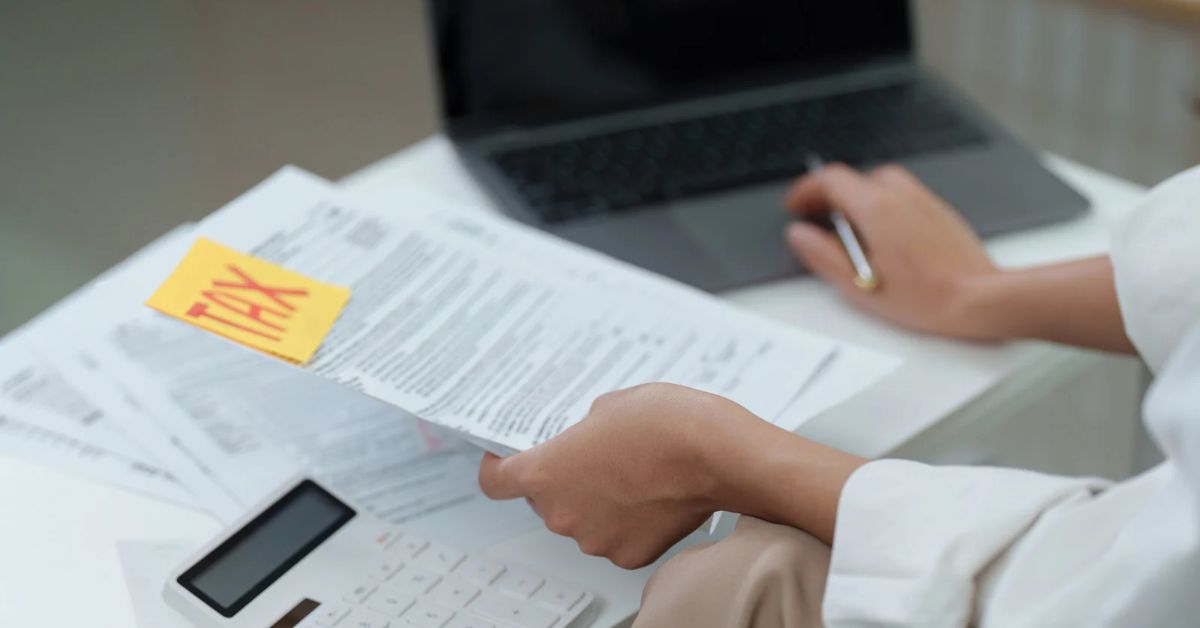

A tax preparation business checklist covers six areas: training, IRS numbers such as a PTIN and EFIN, business setup, software and security, fees and paperwork, and client outreach. Start now, because current PTINs expire on Dec. 31, 2026, and EFIN approval can take weeks.
Starting a practice before the 2027 season is realistic, but only if you work in the right order. Many new preparers lose precious weeks because they buy software first and discover later that an IRS application is still pending. This tax preparation business checklist follows a sensible timeline, from what to finish this month to what to do in the final days before clients arrive.
Key Takeaways
- Do the slow items first: training, PTIN, EFIN, and any state registration.
- Treat client data security as part of the business, not an afterthought.
- Write down your services, fees, and engagement terms before the first client calls.
- Test your software with sample returns before filing season starts.
- Confirm every rule, fee, and date with the IRS and your state, since details change.
What should a tax preparation business checklist include?
Think of the work in four phases, each with its own deadline pressure.
- Foundation. Training, a PTIN, and any state requirements.
- Authorization. An EFIN so you can file returns electronically.
- Operations. Business setup, software, security, fees, and paperwork.
- Clients. Outreach, scheduling, and a smooth intake routine.
The first two phases depend on outside agencies, so they set your timeline. Operations and clients are mostly in your control, which is why you can compress them if you must.
What should you finish first?
Start with the items that depend on someone else.
Training. If you are new, learn how to prepare returns accurately before you accept paying clients. Practice on realistic sample returns, and learn the rules for credits that require extra due diligence. A good tax preparation course can give you structure if you are learning from scratch.
PTIN. Anyone who prepares or helps prepare a federal return for pay needs a Preparer Tax Identification Number. The IRS says current PTINs expire on Dec. 31, 2026, so renew an existing number or apply for a new one now. Our guide to the PTIN explains how it differs from a credential.
EFIN. To file returns electronically, you must apply to become an Authorized IRS e-file provider and receive an Electronic Filing Identification Number. Guides commonly estimate that approval can take up to 45 days, and some applicants need a suitability check. Check the current IRS instructions, and apply early.
State rules. Some states require registration, education, or a bond for paid preparers. Contact your state tax agency before you accept clients.

How do you set up the business side?
Once the IRS items are moving, handle the basics of running a company.
- Choose a structure. Many new preparers start as sole proprietors, while others form an LLC. Ask a tax professional or attorney which fits your situation.
- Get an EIN. An employer identification number keeps your Social Security number off business paperwork and is useful for banking.
- Open a business bank account. Keep client fees and business expenses separate from personal money.
- Check licenses and permits. City, county, and state rules vary.
- Ask about insurance. Talk with an insurance agent about professional liability coverage and what it would protect.
- Write a simple plan. A one- or two-page tax preparation business plan covering your services, target clients, pricing, and goals keeps your decisions consistent.
Keep this list in one shared folder so you can find every number and document quickly during the busy season.
Which software and systems do you need?
Your tools shape how efficiently you can serve clients. At a minimum, plan for:
- Professional tax preparation software
- A secure way to receive and store client documents
- A calendar or scheduling tool
- A system to track each client’s status, from intake to filing
- Cloud backup for your files
Choosing software is a big decision, so test before you commit. Run a few sample returns, check how electronic filing works, and compare the full cost. Our overview of tax software for your tax preparation business explains what to look for.
As client numbers grow, simple routines matter more than fancy tools. Good tax practice management means every return has an owner, a due date, and a clear next step.
How do you protect client data?
Tax preparers handle Social Security numbers, bank details, and income records, which makes them a target for criminals. Security is part of your job.
The IRS offers guidance in Publication 4557, Safeguarding Taxpayer Data, and many preparers are also covered by the FTC Safeguards Rule, which calls for a written information security plan. Confirm which rules apply to you.
Build these habits from day one:
- Use unique, strong passwords and a password manager.
- Turn on two-step sign-in wherever it is offered.
- Never send sensitive documents by plain email.
- Keep computers and software updated.
- Limit who can open client files.
- Verify a client’s identity before you discuss a return.
Write your plan down, even if you work alone. Having it on paper forces you to think through what you would do if something went wrong.
How should you plan fees and paperwork?
Decide your services and prices before clients ask. List what a standard return includes, what counts as extra, and how you handle late documents.
Create these documents now:
- Engagement letter. It states your services, fees, and responsibilities.
- Client intake form. It gathers names, dependents, income sources, and prior year information.
- Document checklist. It tells clients what to bring or upload.
- Fee schedule. It explains prices in plain language.
- Consent and privacy forms. Ask your tax professional or attorney which are required.
Preparers also have legal duties, such as signing returns they prepare, including their PTIN, and meeting due diligence rules for certain credits. Generally, preparers must keep a copy of each return for three years. Confirm current requirements with the IRS.
How do you find clients before the season starts?
Clients rarely appear by magic. Start before January.
- Tell friends, family, and former coworkers what you offer.
- Contact bookkeepers and small business owners who may need tax help.
- Build a simple website with your services, hours, and a way to book.
- Claim your Google Business Profile if you serve a local area.
- Ask early clients for honest reviews, and follow platform rules.
Keep your promises realistic. A new preparer who takes a manageable number of clients and does careful work earns referrals. One who overbooks and rushes returns risks errors and unhappy clients.
If you are building your skills while you launch, Universal Accounting School offers online training in bookkeeping, tax preparation, and QuickBooks.
What should your final January checklist include?
Two weeks before you open, run through this list:
- Confirm your PTIN is active and your EFIN is approved.
- Test software with sample returns and a practice e file transmission, if available.
- Back up your files and test the backup.
- Print or share your engagement letter and document checklist.
- Post your hours and booking method.
- Review your security habits.
- Plan breaks, because tax season is a long sprint.
Treat this list as a living document. After the season, note what worked and what slowed you down, and use those notes to build next year’s checklist.
Final Thoughts
A strong tax preparation business checklist keeps you focused on the right task at the right time. Finish training, renew or obtain your PTIN, apply for your EFIN early, and set up your business, tools, and security before clients arrive. Then write down your services and fees, and start telling people about your practice. Confirm every date and rule with the IRS and your state, and give yourself room to learn as you go.
Frequently Asked Questions
1. How early should I start preparing my tax business for 2027?
Start now. IRS numbers such as an EFIN can take weeks to approve, and your PTIN needs attention before Dec. 31, 2026, so slow items should come first.
2. Do I need an EFIN to start a tax preparation business?
You need an EFIN to file returns electronically as a paid preparer. Preparers who expect to file many returns are generally required to e-file, so apply early.
3. Can I start a tax preparation business with no experience?
You can, but learn first. Take training, practice on sample returns, and start with simple returns. Accuracy and honesty build a reputation faster than work you cannot handle.
4. Do tax preparers need insurance?
Rules vary, and insurance is often a business choice rather than a requirement. Ask an insurance agent about professional liability coverage and what it would cover for you.
5. How many clients should a new tax preparer take?
Choose a number you can serve carefully. Estimate hours per return, add time for questions, and leave room for review. Accuracy matters more than volume in your first season.