



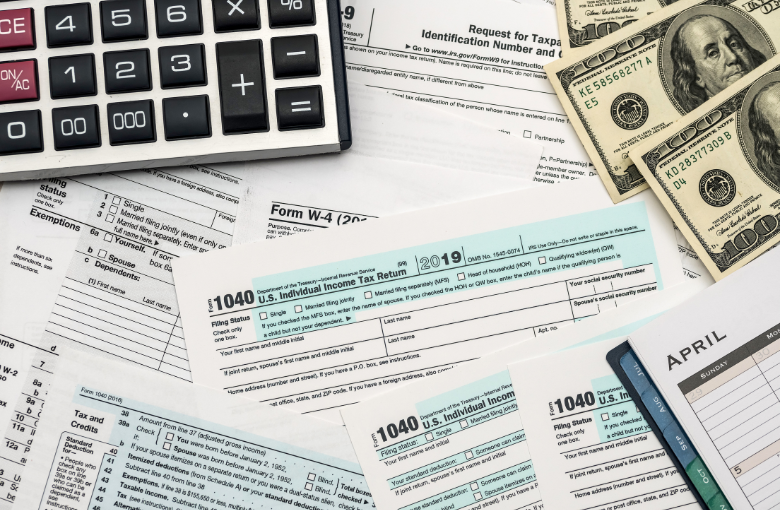

Managing finances is one of the most critical aspects of running a successful business. Accurate bookkeeping ensures that a business can make informed decisions, stay compliant with tax laws, and maintain financial stability. However, bookkeeping is more than just recording transactions; it requires specialized knowledge, attention to detail, and a firm understanding of accounting principles. This is where a Certified Public Bookkeeper (CPB) comes in. In this article, we’ll explore what a certified public bookkeeper is, what they do, and why hiring one can make a significant difference for your business.
Understanding the Role of a Certified Public Bookkeeper
A certified public bookkeeper is a professional who has met rigorous standards in bookkeeping practices and has obtained a certification that validates their skills and knowledge. Unlike regular bookkeepers, CPBs have undergone formal training, passed exams, and demonstrated proficiency in handling various accounting tasks such as accounts receivable, accounts payable, payroll, bank reconciliations, and financial reporting.
The certification process ensures that a CPB is equipped to manage financial records accurately and efficiently. This credential is particularly valuable for small and medium-sized businesses that may not have a full accounting department but still require high-quality financial management.

Key Responsibilities of a Certified Public Bookkeeper
A certified public bookkeeper performs a wide range of duties essential to the smooth financial operation of a business. Some of the primary responsibilities include:
1. Maintaining Accurate Financial Records
CPBs ensure that every financial transaction, from sales to expenses, is recorded accurately. Proper bookkeeping reduces the risk of errors, fraud, or mismanagement, giving business owners a clear picture of their financial health.
2. Managing Accounts Payable and Receivable
Handling bills and invoices can be time-consuming. A CPB ensures that all outgoing payments are timely and accurate, and that incoming payments are tracked and collected efficiently. This helps maintain positive relationships with vendors and clients while keeping cash flow steady.
3. Payroll Processing
Payroll is one of the most critical and sensitive aspects of business operations. Certified public bookkeepers calculate employee salaries, withhold taxes, and ensure compliance with labor laws. Accurate payroll processing prevents legal issues and keeps employees satisfied.
4. Preparing Financial Statements
A CPB can generate essential financial reports, including balance sheets, income statements, and cash flow statements. These reports are crucial for business decision-making, tax preparation, and attracting investors.
5. Tax Preparation Support
While a CPB does not provide tax advice like a CPA (Certified Public Accountant), they play a vital role in preparing accurate financial records for tax filing. Proper bookkeeping ensures that your business complies with tax regulations and minimizes the risk of errors during filing.
6. Advising on Financial Management
Certified public bookkeepers are knowledgeable about accounting best practices and can provide guidance on budgeting, cash flow management, and expense tracking. Their insights help business owners make informed decisions and plan for growth.
Why Certification Matters
Some business owners may wonder why they should hire a certified public bookkeeper instead of a regular bookkeeper. Certification is a mark of credibility and expertise. Here’s why it matters:
- Demonstrated Expertise: A CPB has passed rigorous exams that test their knowledge of accounting principles, payroll, taxation, and bookkeeping practices.
- Professional Credibility: Certification reassures clients and stakeholders that the bookkeeper adheres to industry standards and ethical practices.
- Reduced Errors: Certified bookkeepers are trained to minimize mistakes that could lead to financial loss or compliance issues.
- Continued Education: Maintaining certification often requires ongoing professional development, ensuring that CPBs stay up-to-date with changes in accounting standards and tax laws.
Benefits of Hiring a Certified Public Bookkeeper
Engaging a certified public bookkeeper can provide numerous advantages for businesses of all sizes. Here’s why investing in a CPB is worth considering:
1. Accurate Financial Records
Accurate bookkeeping is the foundation of a healthy business. A CPB ensures that your financial records are precise and up-to-date, which helps you monitor profits, manage expenses, and avoid financial surprises.
2. Time Savings
Managing financial records can be overwhelming, especially for small business owners who wear multiple hats. By hiring a CPB, you free up valuable time to focus on core business operations and growth strategies.
3. Compliance and Peace of Mind
Tax laws and accounting regulations can be complex and ever-changing. A certified public bookkeeper ensures that your financial records comply with these rules, reducing the risk of penalties or audits.
4. Better Financial Decision-Making
With accurate financial data, business owners can make informed decisions regarding expansion, investments, and budgeting. A CPB provides clear reports and insights that help you plan strategically for the future.
5. Enhanced Business Credibility
If you’re seeking investors, loans, or partnerships, having professionally managed and certified bookkeeping records adds credibility to your business. It demonstrates professionalism and financial responsibility.
Who Can Benefit from a Certified Public Bookkeeper?
Almost any business can benefit from hiring a CPB, but the advantages are particularly notable for:
- Small and Medium-Sized Enterprises (SMEs): Limited resources often mean these businesses cannot afford a full accounting team. A CPB provides expert financial management without the expense of a CPA.
- Startups: Startups need accurate financial records from the beginning to attract investors and manage cash flow efficiently.
- Freelancers and Independent Contractors: Professionals who manage multiple clients or projects can benefit from organized financial records and timely tax preparation support.
- Businesses Preparing for Growth: Companies looking to expand operations or secure funding require reliable financial reporting to make informed strategic decisions.
How to Find a Certified Public Bookkeeper
When looking for a certified public bookkeeper, it’s essential to verify their credentials and experience. Some tips include:
- Check Certification: Ensure they hold a valid CPB certification from a recognized body.
- Review Experience: Look for a bookkeeper with experience in your industry or with businesses of a similar size.
- Ask for References: Speak to past clients to assess reliability, accuracy, and professionalism.
- Discuss Software Proficiency: Many CPBs are proficient in accounting software like QuickBooks, Xero, or Sage. Ensure their skills align with your business needs.
Conclusion
A certified public bookkeeper is more than just a number-cruncher they are a trusted financial partner who helps businesses maintain accurate records, manage cash flow, and make informed decisions. By ensuring compliance, providing actionable insights, and saving time, a CPB allows business owners to focus on growth and success with confidence.
For businesses looking to secure their financial future and simplify accounting processes, hiring a certified public bookkeeper is not just a smart choice it’s an essential one.
If you want to elevate your business’s financial management with professional guidance, consider working with experts from Universal Accounting School. Their certified public bookkeeping programs and services can help you build a strong foundation for long-term financial success.