

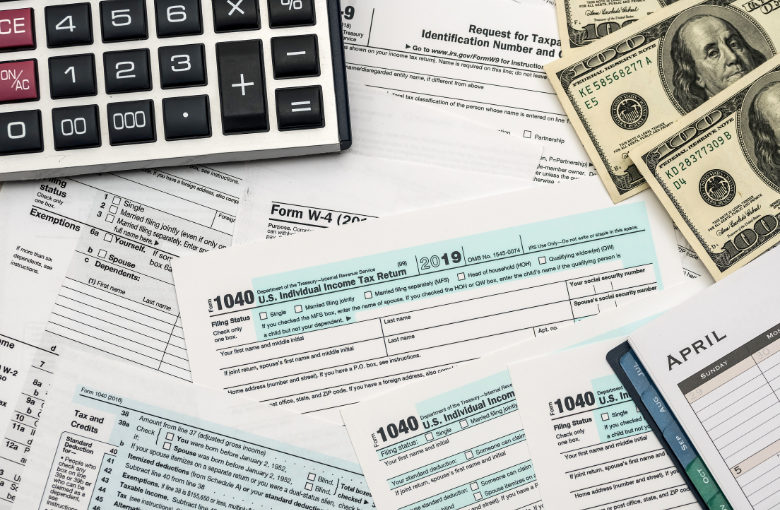

Tax season often comes with stress, stacks of paperwork, and countless hours of trying to get everything right. Whether you’re an individual filer, a small business owner, or a professional preparing returns for clients, accuracy and efficiency are crucial. That’s where tax preparer software comes in. This technology is designed to simplify the tax filing process, reduce errors, and save time for both individuals and professionals.
In this guide, we’ll explore what tax preparer software is, how it works, and why it’s an essential tool for anyone handling taxes. We’ll also look at how pairing it with a tax course or a tax preparer certification course can elevate your skills and help you get the most out of modern tax tools.
What Is Tax Preparer Software?
Tax preparer software is a digital solution designed to streamline the process of preparing and filing taxes. Instead of manually filling out forms, calculating deductions, and double-checking numbers, tax software automates much of the process. It guides users through tax returns step by step, ensuring accuracy and compliance with the latest tax laws.
There are different types of tax software available, including:
- Consumer-focused software: Built for individuals and small business owners who want to file their own taxes.
- Tax software for professionals: Designed for accountants, enrolled agents, and tax preparers who handle multiple clients and complex returns.
Both types share the same goal: simplifying the tax preparation process, making filing faster, easier, and less stressful.
Key Features of Tax Preparer Software
Modern tax software is far more than a digital calculator. Here are the standout features that make it invaluable:
1. Step-by-Step Guidance
Most platforms walk you through the filing process with simple questions, helping you avoid confusion and ensuring you don’t miss important details.
2. Automatic Calculations
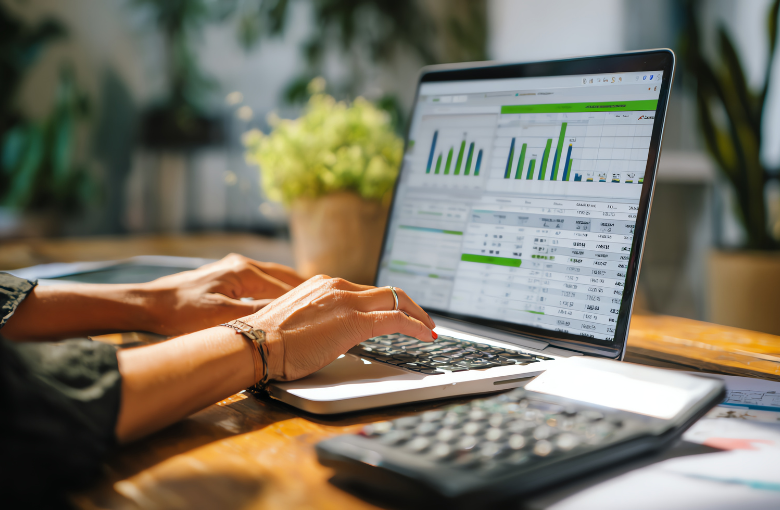
Gone are the days of crunching numbers on paper. The software automatically calculates your tax liability, deductions, and potential refund.
3. E-File Capability
Many programs allow you to electronically file your tax returns with the IRS and state agencies, speeding up the process and ensuring secure submission.
4. Error Checking
Built-in error detection flags missing information or inconsistencies before you submit your return, reducing the chance of costly mistakes.
5. Integration with Financial Accounts
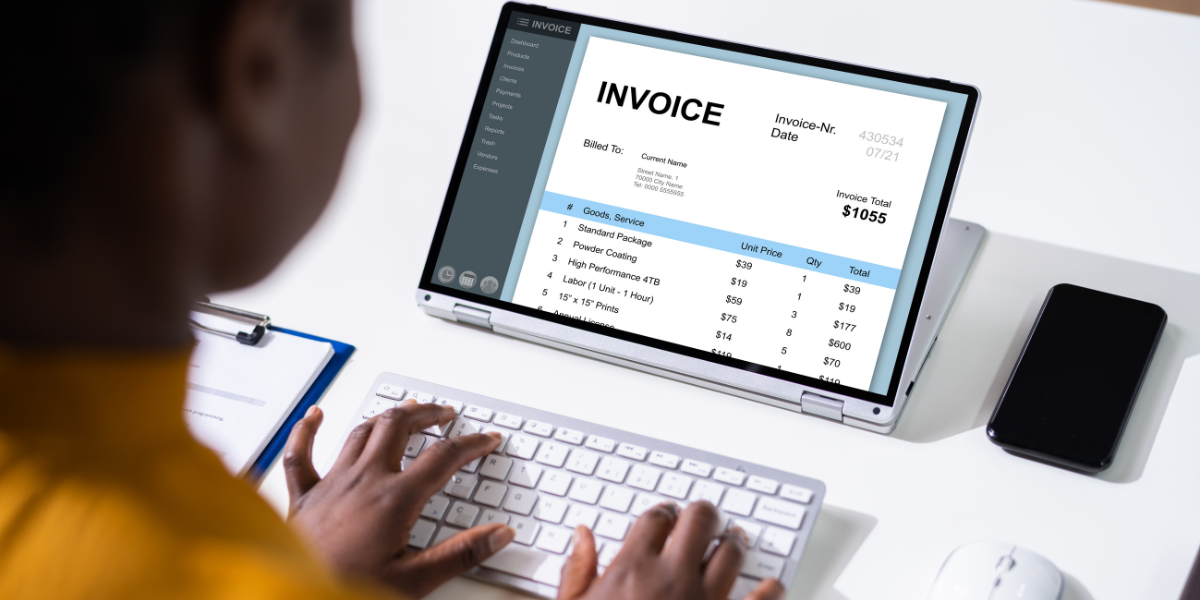
Some tax preparer software integrates with bookkeeping systems or bank accounts to import financial data, further reducing manual entry.
6. Client Management (For Professionals)
For those using tax software for professionals, client portals, document storage, and workflow management tools make it easier to manage multiple returns at once.
How Tax Preparer Software Simplifies Filing
1. Saves Time
Manual tax preparation can take hours-or even days. Tax software automates repetitive tasks, so returns are completed much faster.
2. Increases Accuracy
Mistakes on tax returns can lead to penalties, audits, or delayed refunds. Automated calculations and error checks greatly reduce risks.
3. Maximizes Deductions
Many platforms prompt you with deduction opportunities you might not have considered, ensuring you don’t leave money on the table.
4. Provides Year-Round Support
Some tax software includes features for quarterly tax estimates, expense tracking, and record-keeping, keeping you prepared year-round.
5. Scales With Your Needs
From individuals with simple tax situations to professionals managing hundreds of clients, there’s a version of tax preparer software that fits.
Who Should Use Tax Preparer Software?
Individuals
Anyone who files taxes can benefit from consumer-friendly tax software. It’s especially useful for people who want to save money on professional fees while still filing confidently.
Small Business Owners
Business taxes can be complex, with deductions, employee payroll, and compliance requirements. Tax software helps business owners simplify filings without needing deep tax knowledge.
Professional Tax Preparers
For accountants and preparers managing multiple clients, tax software for professionals is indispensable. It allows for efficient handling of returns, client communications, and secure document storage.
The Role of Training and Certification
While tax software is powerful, understanding how to use it correctly is equally important. That’s where education comes into play.
1. Tax Course
Enrolling in a tax course provides a solid foundation in tax laws, deductions, credits, and filing requirements. Even if you use software, this knowledge helps you make better decisions.
2. Tax Preparer Certification Course
If you’re serious about becoming a professional, a tax preparer certification course ensures you meet industry standards. Certification proves your competency and gives clients confidence in your skills.
3. Pairing Certification With Software
Combining education with technology makes you more effective. Certified preparers using professional software are equipped to handle a wider range of client needs while minimizing errors.
Advantages of Using Tax Software for Professionals
For professionals, investing in robust tax software can be a game-changer. Here’s why:
- Handles Complex Returns: From corporations to self-employed individuals, professional software adapts to various needs.
- Increases Productivity: Automation and workflow management tools allow professionals to serve more clients in less time.
- Improves Client Experience: Secure portals for uploading documents make the process smoother and more professional.
- Boosts Revenue: With higher efficiency, professionals can expand their client base without increasing workload.
What to Look for in Tax Preparer Software
When choosing the right program, keep these factors in mind:
- Ease of Use – The interface should be intuitive, even for beginners.
- Support and Updates – Ensure the software stays current with tax law changes.
- Scalability – Choose software that can grow with your business or personal needs.
- Security Features – Tax filing involves sensitive data, so strong encryption and privacy policies are essential.
- Integration – Look for software that works well with other financial tools you already use.
Conclusion
In today’s fast-paced world, tax preparer software has become an essential tool for simplifying the tax filing process. Whether you’re an individual filer, a small business owner, or a professional accountant, tax software saves time, increases accuracy, and provides peace of mind.
Pairing powerful software with the right training, such as a tax course or a tax preparer certification course, allows you to get the best of both worlds: the efficiency of automation and the confidence of knowledge. For professionals, using tax software not only enhances productivity but also creates a better client experience.
By combining technology with proper education, you’ll be better prepared for tax season-and ready to approach it with confidence instead of stress. If you’re interested in gaining deeper expertise, Universal Accounting School offers training programs that equip you with the skills and certification needed to master both tax preparation and modern tax software.