




Every year, millions of individuals and business owners type the same phrase into their search bar: “tax preparation services near me.” It is a search born out of equal parts urgency and uncertainty. Tax season carries real financial consequences, and most people know the stakes are high enough to warrant professional help. But once you find a local tax professional, what actually happens next? What should you bring, what questions should you ask, and how do you know you are getting genuine value?
This guide walks you through the entire experience from your first appointment to your final filing so you can approach professional tax preparation services with confidence and clarity.
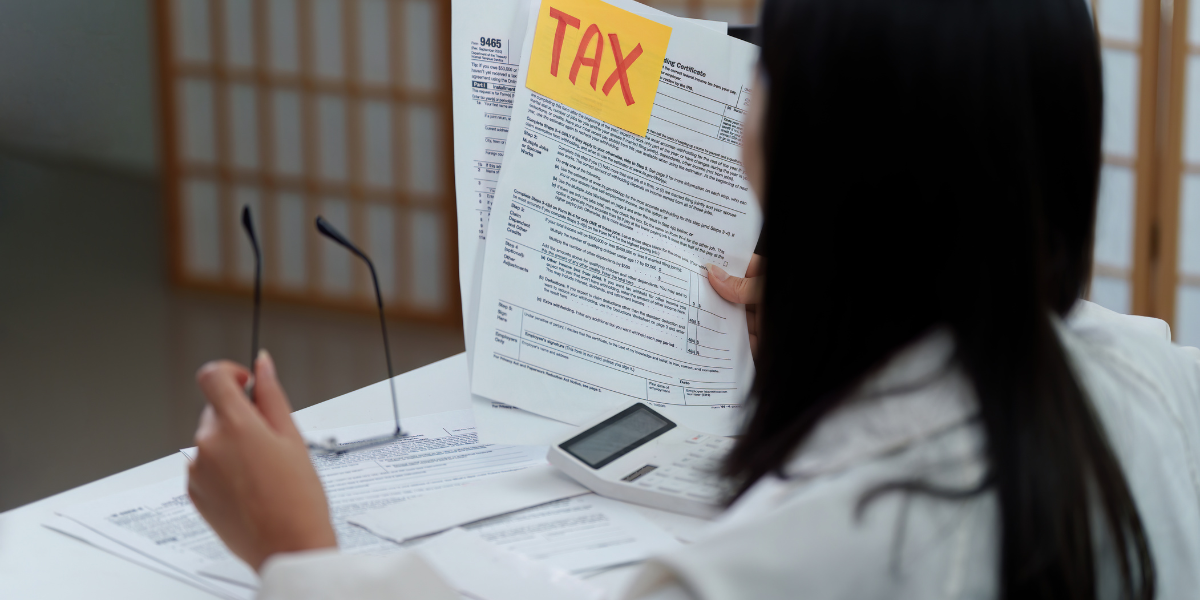
1. What Tax Preparation Services Actually Cover
Professional tax preparation services go well beyond plugging numbers into a form. A skilled tax preparer reviews your entire financial picture for the year your income sources, deductions, credits, investments, and any major life changes that affect your tax situation. They apply current tax law to your specific circumstances, identify every legitimate deduction you qualify for, and ensure your return is filed accurately and on time.
For business owners, tax preparation services also encompass self-employment income, business expense deductions, depreciation schedules, estimated tax payments, and entity-specific filings. For individuals, the scope can include W-2 income, investment gains and losses, real estate transactions, education credits, retirement contributions, and dependent care expenses. In both cases, a professional preparer brings the expertise to navigate complexity that DIY software often misses.
2. What to Bring to Your First Appointment
Walking into your first tax preparation appointment well-prepared saves time, reduces back-and-forth, and often leads to a more thorough return. Before you arrive, gather your income documents W-2s from employers, 1099 forms for freelance or contract work, Social Security income statements, and any investment or retirement distribution forms. If you own a business, bring your profit and loss summary, mileage logs, receipts for deductible expenses, and records of any equipment purchases.
You should also bring last year’s tax return if you have it this gives your preparer a useful baseline and helps identify any carryover items like capital losses or unused credits. Personal identification, your Social Security number and those of any dependents, and any notices received from the IRS or state tax authorities round out the essentials. The more organized you arrive, the smoother and faster the process will be.
3. What the Preparation Process Looks Like
Most professional tax preparation services begin with an intake conversation where your preparer asks about your year employment changes, major purchases, new dependents, home purchases or sales, or any other financial events that could affect your return. This conversation is not just administrative; it is where a skilled preparer often uncovers deductions and credits that clients would never have thought to mention on their own.
From there, your preparer compiles and reviews your documents, enters the relevant data, applies applicable deductions and credits, and runs calculations to determine your tax liability or refund. Before filing, they will walk you through the completed return, explain the key figures, and answer any questions. You then review and sign before the return is submitted electronically. Most e-filed returns are processed within a few weeks, and refunds via direct deposit typically arrive faster than paper checks.
4. How to Evaluate the Quality of Tax Preparation Services
Not all tax preparation services are created equal. When evaluating a provider, credentials matter. Look for preparers who hold recognized designations such as an Enrolled Agent, Certified Public Accountant, or a nationally recognized certification in tax preparation. These credentials indicate that the preparer has completed formal training, passed examinations, and is subject to ongoing professional development requirements.
Beyond credentials, pay attention to how the preparer communicates. Do they ask thorough questions or rush through the intake? Do they explain what they are doing and why? Are they transparent about their fees? A quality tax preparation professional takes the time to understand your situation rather than treating your return as a high-volume transaction. The difference between a rushed preparer and an engaged one can easily translate to hundreds of dollars in missed deductions.
5. Understanding Fees and What You Are Paying For
Professional tax preparation services are typically priced based on the complexity of your return. A straightforward individual return with a single W-2 and standard deduction will cost less than a return involving self-employment income, rental properties, or multiple investment accounts. Many preparers charge a flat fee per form or schedule, while others offer package pricing based on return type.
Be cautious of any preparer who charges a percentage of your refund this practice creates a conflict of interest that can lead to inflated deductions and audit risk. Reputable tax preparation services charge transparent, upfront fees that reflect the work involved, not the size of your refund. Ask for a fee estimate before work begins so there are no surprises when you receive the invoice.
6. The Long-Term Value of a Trusted Tax Preparer
One of the most overlooked benefits of working with professional tax preparation services is the value that builds over time. A preparer who works with you year after year develops an understanding of your financial history, your goals, and the recurring patterns in your tax situation. That continuity allows them to provide proactive guidance not just reactive filing.
They can alert you to tax law changes that affect your situation, advise on timing of income or deductions, recommend retirement contribution strategies, and flag audit risk factors before they become problems. This kind of year-round relationship turns a once-a-year transaction into an ongoing financial partnership and that partnership pays dividends that extend well beyond the filing deadline.
Universal Accounting School trains professional tax preparers who deliver exactly this kind of thorough, client-focused service equipped with the skills, credentials, and dedication to quality that clients searching for reliable tax preparation services deserve.
Whether you are filing as an individual or managing the finances of a growing business, professional tax preparation services offer something DIY software and last-minute guesswork cannot: expertise, accountability, and peace of mind. Knowing what to expect before you walk through the door what to bring, what questions to ask, and how to evaluate quality puts you in control of the experience from the very first appointment.
Frequently Asked Questions
Q1: How early should I schedule an appointment with tax preparation services?
Ideally, you should schedule your appointment as early in the tax season as possibleideally in January or February once your income documents begin arriving. Popular tax preparers fill up quickly as the April deadline approaches, and booking early gives you more scheduling flexibility, more time to gather documents, and a better chance of receiving your refund sooner. If your situation is complex, early scheduling also allows time for back-and-forth on missing documents without the pressure of an approaching deadline.
Q2: Can tax preparation services help if I have not filed in previous years?
Yes professional tax preparation services regularly assist clients who have unfiled returns from prior years. This is more common than many people realize, and addressing it proactively is always better than waiting. A qualified preparer can help you reconstruct income records, file back returns, calculate what you owe or what refunds may still be available, and work toward resolving any IRS notices or penalties. Acting promptly reduces interest accumulation and demonstrates good faith to tax authorities.
Q3: What is the difference between a tax preparer and a CPA?
A CPA is a licensed accountant who has passed the CPA exam and holds a state license, qualifying them for a broad range of accounting and financial advisory services beyond tax preparation. A professional tax preparer specializes specifically in preparing and filing tax returns and may hold credentials such as an Enrolled Agent designation or a nationally recognized tax preparation certification. For most individuals and small business owners, a highly trained tax preparer provides all the expertise needed for accurate, strategic tax filing at a more accessible price point than a full CPA engagement.
Q4: Will professional tax preparation services reduce my chances of an audit?
While no preparer can guarantee audit immunity, professional tax preparation services significantly reduce audit risk compared to self-prepared returns. Trained preparers know which deductions are legitimate, how to document them properly, and which claims are likely to draw IRS scrutiny. They avoid common errors math mistakes, mismatched income figures, and unsupported deductions that are among the most frequent audit triggers. A professionally prepared return is simply cleaner, better documented, and less likely to raise red flags than one assembled without expert guidance.
Q5: Do tax preparation services handle both federal and state returns?
Yes most professional tax preparation services prepare both federal and state returns as part of the same engagement. If you live or work in a state with an income tax, your preparer will file the appropriate state return alongside your federal filing. If you have income in multiple states due to remote work, investments, or business operations your preparer will determine which state returns are required and ensure each one is filed correctly. Always confirm multi-state capability upfront if your situation involves income from more than one state.
Q6: What happens if my tax return has an error after it has been filed?
If an error is discovered after filing, it can be corrected by submitting an amended return using IRS Form 1040-X. A professional tax preparer can prepare and file the amendment on your behalf, explaining the correction and recalculating your tax liability or refund accordingly. Reputable tax preparation services stand behind their work if an error was made on their end, many will amend the return at no additional charge and help you navigate any resulting correspondence with the IRS. This level of accountability is one more reason professional tax services offer better protection than self-filing.