


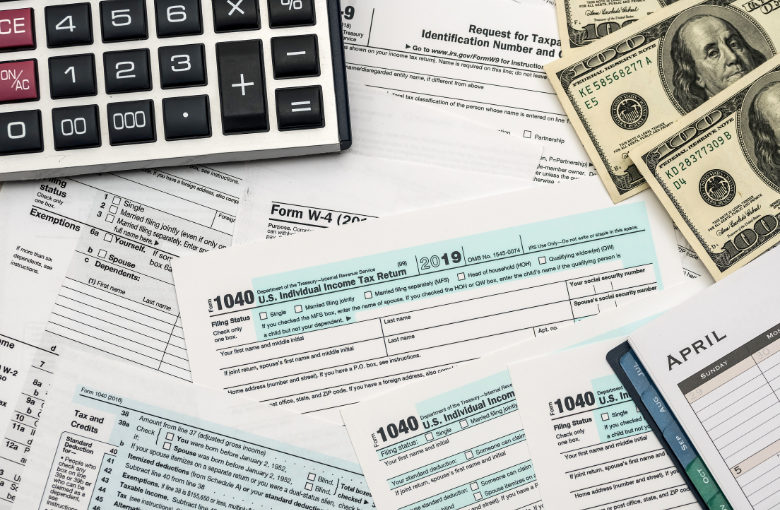


For firms welcoming new hires into the world of tax preparation, having a structured tax preparer training process is essential. Proper training ensures accuracy, efficiency, compliance, and long-term client satisfaction four elements that define success in the tax industry. Whether you’re onboarding first-time preparers or helping professionals transition from related fields such as bookkeeping or accounting, a clear, step-by-step approach creates confidence and consistency across your team.
This guide outlines what new employees need to know, the skills they should master, and the best practices that help them excel from day one.
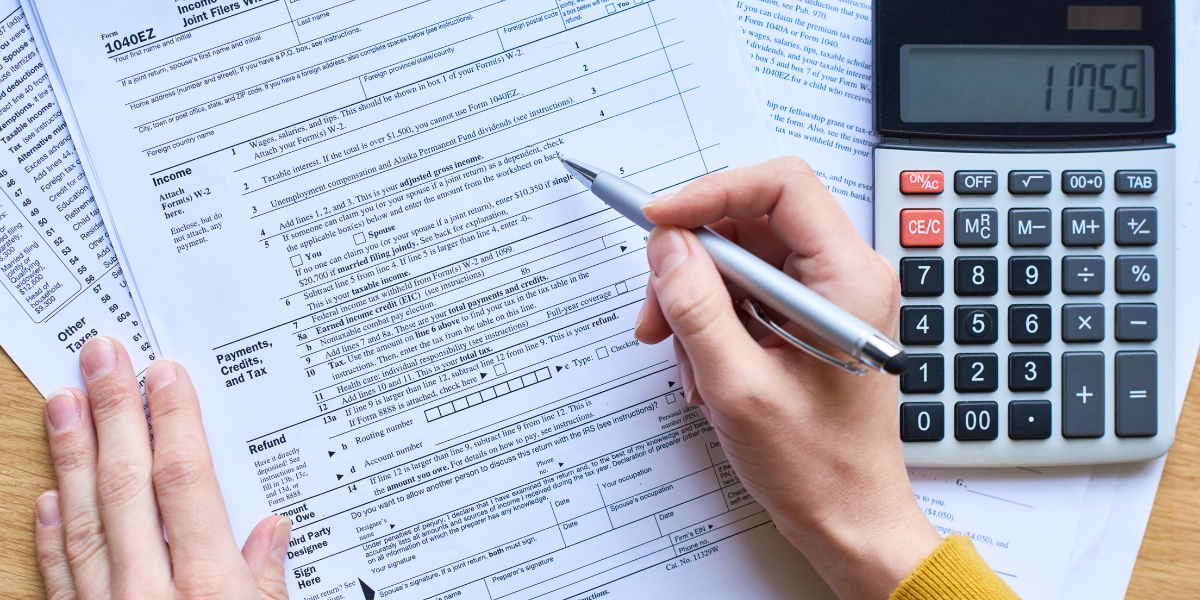
Why Tax Preparer Training Matters for New Employees
Tax preparation isn’t just about inputting numbers into software. It requires critical thinking, attention to detail, and a strong grasp of tax law. With regulations changing frequently, companies that invest in training reduce the risks of costly mistakes, IRS penalties, and dissatisfied clients.
A well-structured training program helps new employees:
- Understand the fundamentals of tax regulations
- Develop confidence in handling tax forms
- Learn how to interact professionally with clients
- Improve accuracy and reduce filing errors
- Prepare for peak season with less stress
Providing this foundation benefits the entire firm by building a knowledgeable and dependable team.
1. Begin with Tax Fundamentals
Every new employee regardless of background should begin with the basics. This ensures everyone is aligned and working from the same knowledge base.
Core topics to cover include:
- Federal vs. state tax structures
- Common filing statuses
- Standard vs. itemized deductions
- Tax credits and adjustments
- Income categories and reporting requirements
- IRS regulations and updates
Even experienced staff benefit from a refresher, especially since tax laws change annually.
Encourage new employees to ask questions, explore real-world scenarios, and review previous returns to see how rules are applied in practice.
2. Master the Essential Tax Forms
A significant part of tax preparer training involves understanding and correctly preparing common forms. New employees should become comfortable with:
- Form 1040 – Individual income tax return
- W-2 and 1099 forms – Income reporting
- Schedule A – Itemized deductions
- Schedule C – Business income for self-employed clients
- Schedule E – Rental and investment income
- Schedule SE – Self-employment tax
Hands-on learning is crucial here. Provide employees with sample documents to practice entering data, identifying errors, and spotting missing information. The more returns they review, the more confident they’ll become.
3. Training on Tax Software and Digital Tools
Modern tax preparation relies heavily on digital platforms. New employees should receive thorough training on:
- Tax preparation software used by your firm
- Document management systems
- Client portals
- E-filing processes
- Cybersecurity best practices
Technology improves accuracy and efficiency, but only if employees know how to use it correctly. Make sure they get plenty of time to navigate the system, run practice returns, and understand how to troubleshoot common issues.
4. Develop Strong Client Communication Skills
Tax preparation isn’t just about numbers it’s also about trust. New employees must learn how to communicate confidently and professionally.
Key communication skills include:
- Asking clear, relevant questions
- Gathering complete financial information
- Explaining tax concepts in simple terms
- Communicating filing deadlines
- Maintaining confidentiality
- Handling tense or confused clients with patience
Role-playing scenarios can help employees practice these skills in a supportive environment.
5. Teach Compliance, Ethics, and Due Diligence
Tax preparers are held to high professional standards. Make sure training includes:
- IRS ethical guidelines
- Due diligence requirements
- Fraud prevention
- Privacy and data security rules
- Documentation and recordkeeping practices
New employees need to understand the serious consequences of inaccurate or unethical practices not only for themselves but for the firm and the client.
6. Encourage Real-World Practice
Once new hires understand the basics, put their knowledge to the test through real-world training. This may include:
- Shadowing experienced preparers
- Preparing sample returns
- Reviewing past filings
- Participating in mock client interviews
- Checking returns for errors
Hands-on experience builds confidence and ensures employees are prepared for tax season pressures.
7. Provide Ongoing Education and Certification Opportunities
The tax industry evolves constantly. Encourage ongoing learning through professional resources, workshops, and certification programs. One reputable option is Universal Accounting School, which offers industry-recognized tax preparer courses that help employees stay current and sharpen their skills.
Continuing education ensures your team remains up to date with changes in tax law, software updates, and best practices.
Conclusion
Building a solid tax preparer training program for new employees is one of the most valuable investments a firm can make. With proper onboarding, hands-on practice, and ongoing education, new hires develop into capable professionals who contribute to your firm’s accuracy, reputation, and long-term growth.
A well-trained team doesn’t just prepare taxes they build lasting client relationships, protect your business from risk, and elevate the overall quality of your services. Start with strong foundational training, reinforce it with real-world experience, and encourage continuous learning to ensure your new employees thrive in their roles.